Sustainability & Quality Assurance

Sustainable Linen Fiber
At ElAmir Flax, we are committed to producing sustainable, high-quality flax fiber. Our processing and production practices emphasize:

Low-Impact Production

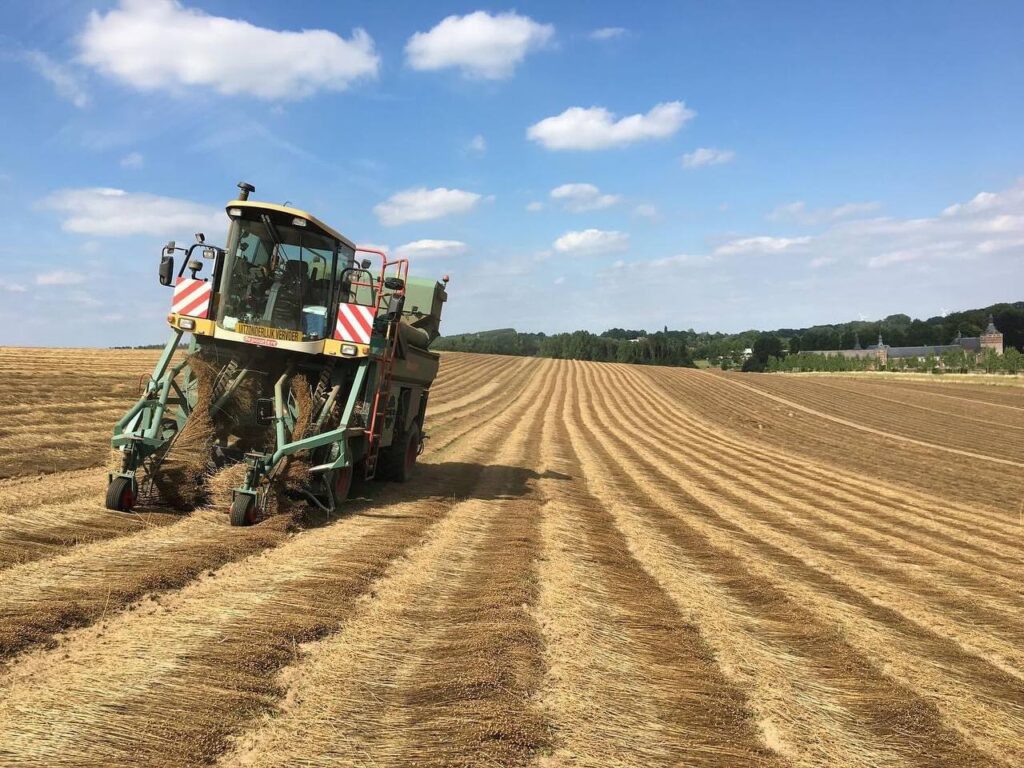
Flax fiber cultivation and processing require minimal water and chemical inputs. We prioritize responsible extraction techniques, energy-efficient machinery, and eco-conscious resource management to reduce environmental impact.

Soil & Plant Resource Management

Our fields are carefully managed for soil health and plant sustainability. Crop rotation, organic matter enhancement, and full utilization of flax stalks ensure long-term ecosystem balance and fiber consistency.

Linen Fiber for Circular Economy

Linen fiber is renewable, biodegradable, and fully recyclable, aligning with modern textile industry demands for sustainable and eco-friendly materials.

Why Quality Matters

Textile manufacturers depend on uniform fiber quality, consistent fiber length, and reliable supply. High-quality fiber reduces processing waste, improves textile performance, and minimizes costs associated with uneven or low-grade material.

Why Quality Matters

Textile fibre processors and linen manufacturers rely on uniform fibre quality, consistent yield and stable supply. Poor seed quality leads to
uneven crops, higher waste, lower fibre yields and higher costs. Our rigorous standards help minimise these risks.

Sustainability Certifications & Traceability

We maintain detailed records of fiber origin, processing steps, environmental practices, and export logistics. Full traceability ensures transparency for global buyers seeking responsibly produced linen fiber.

Sustainability Certifications & Traceability

We maintain detailed documentation of seed origin, field trials, environmental records and export logistics. We are committed to transparency
for buyers seeking sustainable natural fibre sources.

Quality Assurance

Quality is embedded in every stage: fiber extraction → cleaning → grading → packaging → export. Our protocols include:
  • Fiber length and strength measurement
  • Fineness and impurity testing
  • Moisture control and batch verification
  • Compliance with international textile and export standards